Best time of year for window repair in Elgin
Spring in Elgin brings more than tulips and farmers’ market Saturdays — it delivers ideal conditions to get your windows back to peak performance. Mild temperatures and longer daylight hours make inspections and fixes faster, safer, and more accurate, whether you’re tackling a quick spring window maintenance tune-up or booking a pro for Elgin window repair. With clearer light and calmer weather, you can spot hairline cracks, failed seals, and draft paths that winter hid, then address them while caulk cures properly and paint sets the first time.
Acting now also pays off when the summer heat rolls up York Street. Address winter wear early to boost comfort and energy efficiency, reduce AC strain, and quiet street noise. A simple window inspection checklist can help you prioritize what you can DIY and what calls for window repair Elgin specialists — before schedules fill up. Keep reading to learn exactly what to look for after a Chicagoland winter, how to time repairs for the best results, and which upgrades deliver the biggest bang for your budget.
Why Spring Is Prime Time in Elgin
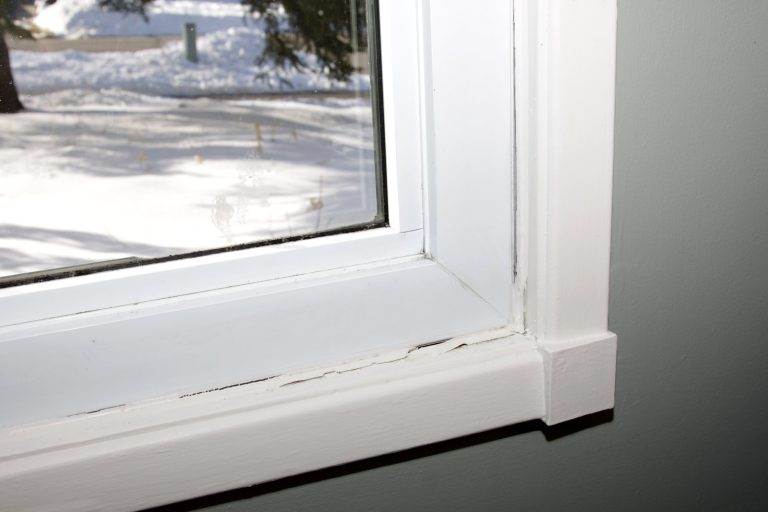
After a Chicagoland winter, spring reveals what the freeze–thaw cycles hid. That nightly expand-and-contract routine can stress glazing putty, crack exterior caulk, and turn minor gaps into noticeable leaks — especially on south-facing bay windows along York Street or older frames near the Prairie Path. As the sun warms the glass, fogged double-pane windows and broken window seals are easier to spot, making spring an ideal moment to schedule Elgin window repair before the heat sets in.
Spring’s lower humidity and moderate temperatures are tailor-made for durable fixes. Caulks bond better, paint levels out smoothly, and sash materials are less likely to warp while you work, which boosts long-term performance. Whether you’re sealing a hairline gap around brickmold or re-glazing a classic Tudor casement in Crescent Park, spring conditions help repairs cure correctly the first time — saving you from repeat work in July.
Seasonal storms also act like a diagnostic tool. A breezy, rainy afternoon can reveal drafty windows in rooms you might overlook in winter — think basements by Salt Creek or top-floor bedrooms facing the Metra line. Use those cues to prioritize Elgin window repair: re-seal leaky frames, replace torn weatherstripping, and address broken balances so sashes open and close smoothly when you’ll want fresh air most.
Catching issues now pays off all summer. Fixing broken window seals reduces hot spots, while repairing fogged double-pane windows restores clarity and insulation value before your AC works overtime. With quick spring tune-ups — tightening locks, re-caulking troublesome joints, and resetting loose glazing — you’ll turn drafty windows into steady performers and set up your home for comfort and energy savings through Labor Day and beyond.
Post-Winter Damage Checklist
After a Chicagoland winter, start with a simple visual scan: foggy double panes point to failed seals, while warped sashes or peeling paint suggest moisture intrusion from freeze–thaw cycling. Press a fingertip or a small awl into sills and lower rails — soft or spongy spots indicate rot that needs attention before it spreads. Run a hand around the interior on a breezy day; torn weatherstripping and loose stops will reveal themselves as cool drafts, especially on north- and west-facing elevations that take the brunt of Elgin winds.
Next, examine frames and sills for water staining or mold, particularly below meeting rails and in corners where condensation lingers. Try the “dollar-bill test”: close a window on a dollar; if it slides out easily, your locks and balances may not be securing the sash tightly. Open and close each window to confirm smooth travel — stickiness can signal swollen wood, failing tracks, or broken balances. Don’t forget to clear weep holes on vinyl and aluminum units; clogged drains can push water back into the frame.
Move outside on a dry, mild day and inspect window caulking and weatherstripping. Look closely where siding meets trim and around head flashing for gaps, hairline cracks, or separated joints — early failures often show up as fine splits that widen by summer. A thin bead of flexible, exterior-grade sealant now can prevent hidden leaks into the wall cavity. If you see rust streaks under metal flashing or puckered paint below sills, plan for prompt repairs to stop moisture before it reaches sheathing.
Finally, connect your checklist to comfort and savings. Tightening up air leaks, refreshing window caulking and weatherstripping, and addressing failed insulated glass will make rooms feel less drafty and help lower utility bills before AC season hits. If a unit is beyond repair, consider swapping in energy-efficient windows or adding low-e storms to existing frames — both can cut heat gain on sunny Elgin exposures while keeping street noise down along York Street or Butterfield Road. A focused spring tune-up positions your home for a cooler, quieter, more efficient summer.
Scheduling and Contractor Availability in Elgin
Spring is prime season for Elgin window pros, which means calendars fill fast. Get on a contractor’s radar early by requesting estimates as soon as you spot post-winter issues — many local firms offer virtual walk-throughs or photo-based quotes to speed things up. If you’re managing multiple units or a condo association, ask about block scheduling so crews can complete vinyl window repair, tune-ups, and screen work in one coordinated visit before the summer rush.
Lead times can stretch in spring, especially for custom elements common in older Elgin homes — think curved storm window repair for a Tudor arch, warm-edge spacers for a Prairie-style picture window, or specialty balances for double-hungs in Crescent Park. When you request bids, ask specifically about availability for custom glass, screens, and hardware so you can set a realistic timeline. A good contractor will flag parts that are likely to be backordered and suggest temporary weatherproofing to hold you over.
To make the most of spring, look for contractors who offer maintenance packages: exterior caulk refresh, sash tune-ups, screen replacement, and a prioritized punch list that separates must-do repairs from nice-to-have upgrades. These packages often come with faster turnaround, bundled pricing, and clear warranties — helpful when you’re weighing window replacement vs repair. For example, a pro might recommend targeted sash repair and re-glazing now, with a plan to revisit full replacements in a future budget cycle.
Finally, ask about scheduling flexibility that can save time: waitlist options for cancellation slots, crew sizes for quicker completion, and project sequencing (e.g., interior work on rainy days, exterior work on dry 50°F-plus days). If you have a mix of needs — vinyl window repair in back bedrooms and storm window repair on a street-facing façade — confirm the team is equipped for both in a single mobilization. A little planning now helps you beat the summer backlog and keeps your Elgin home comfortable as temps climb.
DIY vs Professional Elgin Window Repair
Spring is a great time to knock out easy, low-risk tasks that make a noticeable difference. Clean window tracks and weep holes to clear salt and grit from winter — your sashes will glide better and drain properly during spring rains. Re-caulk small gaps around exterior trim, swap in new screens, and replace worn weatherstripping on drafty casements or sliders. If you schedule spring maintenance, set aside a couple of hours and keep a basic kit on hand: silicone or paintable exterior-grade caulk, a putty knife, a sash brush, and replacement spline for screens. These quick wins can immediately improve comfort and cut down on street dust along busy Elgin corridors.
Call in the pros when issues point to structural or sealed-glass problems. Signs like soft or spongy sills, visible sash rot on older Elgin bungalows and Tudors, stubborn sashes that won’t stay up (balance or cord failures), or condensation trapped between double panes require professional tools and techniques. After a blustery spring storm, a cracked pane or sudden draft may warrant emergency window repair Elgin to secure the opening and prevent water intrusion. Frame movement from freeze–thaw cycles or settling — common on homes near older clay soils — also needs a trained eye to ensure the opening is square before any repair sticks.
A professional assessment often reveals what DIY can’t see. A local window contractor Elgin will check head flashing, evaluate sill pans for hidden leaks, and spot gaps where siding meets brickmold that channel water into wall cavities. They can test balances, adjust hardware, and use moisture meters or infrared imaging to trace elusive drafts. That expertise matters if you live in an HOA or near Elgin’s historic areas where preserving original profiles is key — pros can recommend rot-resistant rebuilds, warm-edge IGU replacements, or storm window solutions that maintain curb appeal while boosting efficiency.
For most homeowners, the sweet spot is a hybrid approach: handle the simple tune-ups now, then get estimates for targeted Elgin window repair on anything structural or sealed-glass related. Ask about warranties, lead times for custom sashes or tempered panes, and whether you can bundle multiple windows for cost savings. By acting in spring, you’ll have time to order parts, avoid the early-summer rush, and enter the hottest months with tighter seals and smoother operation — proof that smart timing and the right partner make all the difference in Elgin.
Budgeting, Rebates, and ROI

Start by tackling fixes that pay you back quickly: seal obvious air leaks, replace brittle weatherstripping, and address failed glazing or fogged IGUs (a common cause of persistent condensation on windows). These targeted repairs typically cost far less than full replacements and can trim cooling bills before summer. For example, a simple sash tune-up and new weatherstripping on a drafty living room window in an Elgin bungalow can cut noticeable drafts and reduce AC runtimes — often for a fraction of the cost of a new unit — while improving comfort immediately.
Before you set a budget, check current ComEd Energy Efficiency Program offers and any seasonal promotions from vetted local contractors. While full window rebates can be limited, ComEd and partner programs sometimes provide incentives for air sealing, home energy assessments, and in some cases storm windows when included in broader weatherization work. Pair that with occasional local or state rebates and you can offset a meaningful portion of your costs. Pro tip: schedule an energy assessment in spring — the best time for home repairs — so you can capture incentives and complete work before summer backlogs.
Compare repair vs. replace through a return-on-investment lens. If the frames are sound, repairing failed seals, re-glazing, and adding low-e storm windows can deliver strong ROI in Elgin, especially on street-facing elevations where reduced heat gain and traffic noise are a win. Expect many repairs to land in the low hundreds per opening, while full replacements often run into the high hundreds or more per window installed. On tight timelines or budgets, a “repair now, replace later” strategy lets you stabilize comfort and efficiency quickly, then plan phased replacements only where needed.
Don’t forget the curb appeal Elgin buyers notice. Freshly painted trim, crisp caulk lines, and clear, de-fogged panes not only lower energy use but also elevate exterior presentation — helpful for appraisals or upcoming listings. Keep receipts and before/after photos; documentation of energy-focused improvements can strengthen resale narratives and help you claim eligible incentives or tax credits when available.
Best Time of Year for Window Repair in Elgin
Elgin’s freeze–thaw cycles and spring downpours call for materials that flex without failing. For exterior gaps and joints, choose high-performance, paintable sealants — silicone-modified polyurethane or advanced urethane acrylics — that stay elastic and bond well to wood, masonry, and aluminum. Pair these with rot-resistant wood or trim, such as cedar, Accoya, or PVC/composite brickmoulds, to minimize future window frame repair. If you’re touching up older casements near Wilder Park or in the College View area, priming cut ends and back-sealing new trim can double the lifespan of the repair and keep the cost to repair windows predictable.
Upgrading glass smartly can boost efficiency without sacrificing character. Low-e insulated glass with warm-edge spacers reduces heat gain and condensation at the perimeter — ideal for south- and west-facing windows that bake in July. On historic homes, thin-profile storm windows (aluminum or custom wood storms color-matched to trim) preserve original sashes while delivering comfort gains close to full replacements. After a quick home energy audit, many Elgin homeowners find that re-glazing failed units plus adding quality storms delivers a strong ROI compared to full tear-outs, especially when frames are still sound.
Don’t overlook the small parts that work hard in Midwest weather. Opt for corrosion-resistant hardware — stainless steel or marine-grade finishes on hinges, sash locks, and fasteners — to stand up to spring rains and humid summers. Powder-coated or anodized aluminum screens with stainless mesh hold up better than standard steel, and full-replacement weatherstripping in silicone or EPDM maintains a tight seal longer than felt. These choices reduce callbacks for Elgin window repair and help windows operate smoothly when you’re airing out the house in May.
For homes with partial deterioration, a hybrid approach often wins. Epoxy consolidants and fillers can stabilize localized rot, while aluminum-clad exterior caps protect rehabilitated wood sills from splashback. Where frames have shifted from settling, targeted shimming and flashing upgrades paired with new drip caps can solve leaks without wholesale replacement. Ask your contractor to itemize materials in the estimate so you can compare long-term durability against the upfront cost to repair windows. The right products, installed on a dry spring day, set you up for fewer issues — and lower energy bills — through the Elgin summer.
HOAs, Historic Districts, and Permits

Before you swap out a sash or add a low-e storm window, check your HOA’s architectural guidelines and any Elgin historic requirements that apply to your block. Many associations specify grille patterns, exterior color palettes, and even glass reflectivity to keep façades cohesive, while homes with historic status may ask for true-divided-lite looks or low-profile storms that don’t obscure original trim. A quick email with product cut sheets and a photo of your existing window can speed approvals — especially if you’re proposing like-for-like repairs that deliver thermal comfort improvement without altering the streetscape.
For permits, simple maintenance like repainting, re-caulking, or replacing a torn screen typically doesn’t require one. But structural work — enlarging an opening, replacing a lintel, addressing frame movement, or doing a full window replacement — often does. Because rules can vary by project scope and neighborhood context, verify your plan with the City of Elgin’s Building Department and, when applicable, the Historic Preservation Commission. Ask what they consider “repair” versus “alteration,” and clarify whether exterior storms or interior inserts trigger review in your area.
Documentation is your best friend. Take clear before-and-after photos, note measurements, and keep invoices, warranties, and product specifications in one folder. If your Douglas and Symphony Way needs a custom storm with a matching ogee profile, include the manufacturer’s detail drawing with your HOA or historic submission; it shows you’re preserving sightlines while improving performance. This same packet also helps when you sell — disclosures go smoothly when buyers (and their inspectors) can see exactly what was done and when.
If timing is tight, ask your contractor to prepare a brief scope-of-work summary that distinguishes immediate weatherproofing from follow-up repairs, so you can obtain any required approvals without leaving your home exposed. Many Elgin contractors are used to HOA and historic reviews and can suggest compliant options — like interior-mounted storms or wood-fiber cladding — that keep curb appeal intact while meeting energy goals. The result: fewer surprises, faster scheduling, and windows that look right and work even better.