7 Window Care Moves Elgin Winters and Summers Demand
Elgin’s freeze-thaw winters and stormy, humid summers demand a proactive window care plan. When temperatures swing and sudden downpours roll through, your windows shoulder a lot — air leaks, swelling frames, trapped moisture, and surprise storm impacts. The good news: a few well-timed moves can save energy, quiet drafts, prevent water damage, and make your home feel more comfortable all year. Think of this as Elgin window maintenance you can actually fit into a weekend, with results you’ll notice the next windy night or steamy afternoon.
This seasonal guide outlines practical Elgin window maintenance steps to boost comfort, efficiency, and durability. You’ll learn smart, local tactics for winter window preparation and summer storm window prep — from sealing and lubrication to airflow, cleaning, and quick inspections after wild weather. If you want a simple, repeatable seasonal window maintenance routine that pays off in lower bills, fewer repairs, and smoother operation, you’re in the right place. Let’s get ahead of the weather — before it gets ahead of you.
1. Seal Out Drafts Before the Deep Freeze
Elgin’s freeze-thaw cycle can turn tiny gaps into major heat leaks by January, so make this step your early-fall priority. Start outside with a simple window inspection checklist: look for cracked exterior caulk along trim, brickmold, and where siding meets the frame — especially on wind-facing west and north elevations. Remove failed sealant and recaulk with a paintable, high-quality polyurethane or silicone; use backer rod to fill wider joints for a longer-lasting seal. If you’ve had summer painting done, confirm the painter didn’t seal weep paths or trap moisture around the sill nose.
Next, move indoors to weatherstripping windows. Worn or flattened weatherstripping lets frigid air snake past sashes when temps drop and frames contract. Open and close each sash to feel for play, then replace brittle foam or felt with durable silicone or EPDM options matched to your window type (compression bulb for casements, V-strip for double-hungs). A quick win: tighten meeting rails and latch hardware after you upgrade weatherstripping so the seal actually engages — an overlooked step in many window repair Elgin calls.
On a breezy day, use a smoke pencil or a simple incense stick to pinpoint leaks around sashes, lock stiles, and interior casing. Watch for smoke pulling toward gaps, especially at window corners and where stools meet drywall. Don’t forget “sneaky” leak paths: outlets and switches on exterior walls can act like chimneys. Add foam gaskets behind cover plates and a bead of paintable caulk along trim edges to stop hidden cold-air infiltration. If the smoke trail races at the lower corners, consider carefully applying low-expansion foam between the jamb and rough opening from the interior — just don’t block weep routes.
Tie it all together by documenting what you find. Snap quick photos, note which rooms need new seals, and set reminders to recheck after the first hard frost — frames shift, and gaps can reappear. This small habit turns Elgin window maintenance into a manageable routine and helps you prioritize materials before the next cold front. Proper sealing now means fewer drafts, quieter rooms along North Avenue or near the Metra line, and real savings when the polar air settles in.
2. Tune up locks, hinges, and tracks

A smooth-operating window seals tighter and wastes less heat, which matters in Elgin’s subzero snaps. Start with a quick hardware refresh: wipe down locks, hinges, tilt latches, and rollers, then apply a dry silicone or PTFE spray to moving parts. Avoid greasy oils that attract dust and gum up in the cold. Lay a towel to catch overspray and work the locks open/closed a few times to distribute lubricant. This small step helps older units behave more like energy-efficient windows Elgin homeowners want in January, and it pairs well with caulking windows you completed in fall.
Next, focus on the tracks. Use a vacuum crevice tool to pull out grit, pet hair, and road salt, then run a damp cloth along the rails; a nylon toothbrush or credit card edge pops out stubborn debris without scratching. Don’t forget the weep holes — those tiny drains at the bottom of many frames. Clear them gently with a pipe cleaner or zip-tie and test by pouring a small cup of water into the track; you should see a steady drip outside. Clear weeps are your best defense against summer downpours backing up into the interior and causing hidden damage.
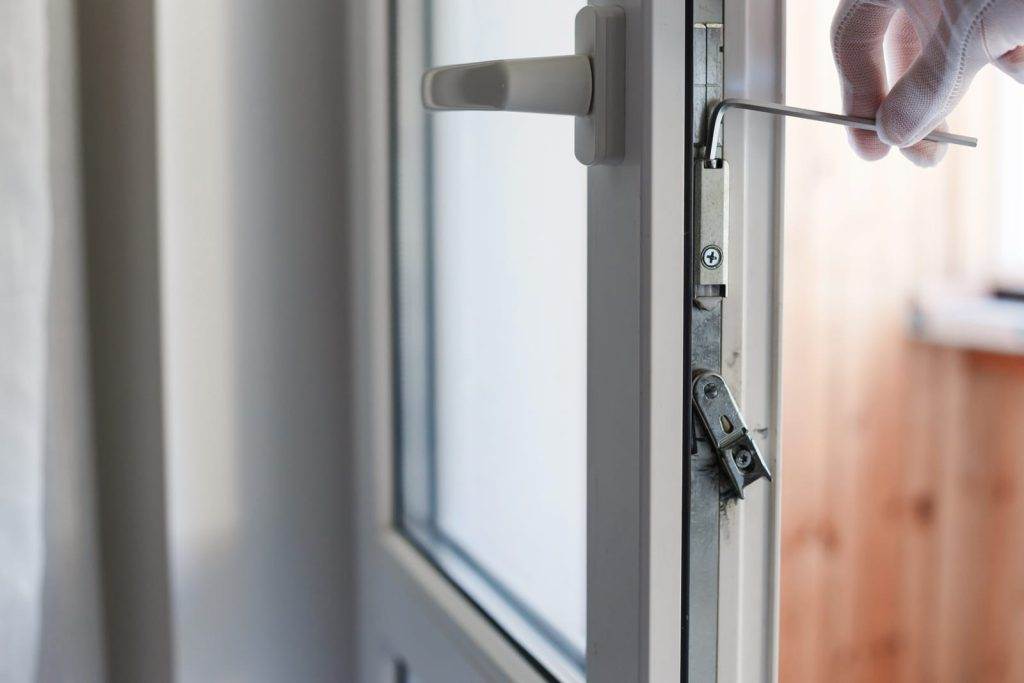
Check alignment while you’re there. Seasonal expansion and contraction can shift sash positions just enough to weaken the seal. Tighten loose screws on locks and hinges, and adjust the lock “keeper” (often called the strike plate) so the sash pulls snugly against the weatherstripping without forcing it. A properly aligned lock reduces whistling on windy nights and helps curb condensation on windows winter tends to amplify by eliminating tiny air leaks that create cold spots on the glass.
Make this a routine: a 15-minute tune-up in late fall and again after spring pollen season. For sliding windows that feel heavy, inspect the rollers — many are height-adjustable and a quarter-turn can restore easy gliding. If a lock won’t align even after adjustment, or you notice cracked housings or pitted rollers, order the exact replacement part by brand/model or bring the piece to a local hardware shop for a match. For property managers and condo boards, add these checks to your unit turnover list — smooth hardware plus clean tracks go a long way toward comfort, security, and extending the life of your windows.
3. Manage condensation and indoor humidity
Elgin’s recipe for window sweat is simple: single-digit winter temps outside, warm air inside, and tight homes that trap moisture. Aim to keep indoor humidity between 30–40% in cold months. Use bath and kitchen exhaust fans on 20–30 minute timers after showers and cooking, and check that they vent outdoors (not into the attic). If you run a whole-house humidifier on your furnace — a common setup in older Elgin colonials — dial it down when the forecast dips below 20°F to prevent morning puddles on sills. A $10 hygrometer on each level helps you track and adjust before condensation becomes a problem.
Airflow is your low-cost ally. Open blinds and shades during the day to warm the glass and reduce cold spots that trigger condensation. At night, leave cellular shades or heavy drapes slightly raised or side-gapped a half inch so air can circulate. Move furniture and plants a few inches off exterior walls, run ceiling fans on low (clockwise) to mix warm air without creating drafts, and keep supply/return vents unblocked. If your basement feels clammy — especially near window wells — add a dehumidifier and clean those weep holes so any incidental water has a path out.
Treat visible moisture like a leak: wipe it up daily and investigate the cause. Persistent fogging between double panes usually means a failed seal and calls for professional IGU replacement; no amount of drafty windows fix tactics will clear that haze. Pooling water can stain sills and invite mold — dry the area, then touch up paint or re-seal joints. If you find softened wood, schedule window frame rot repair before it spreads to the casing or wall. Older wood windows that have lost their seal may need fresh exterior glazing putty to keep moisture out once you’ve addressed indoor humidity.
Prevention ties it all together. Seal small air leaks that chill the interior glass — outlet gaskets on exterior walls, a bead of caulk at the interior casing, and tuned window locks that pull sashes tight. These quick steps temper the glass surface, reducing condensation risk while improving comfort. After a deep freeze or a Lake Michigan-fueled thaw, do a mid-winter check: look for water lines on sills, peeling finish, or musty smells. Catching and correcting moisture early is far cheaper than replacing sash components later.
4. Spring and fall deep-cleaning routine
When Elgin IL weather flips from slush to spring blooms or from muggy summer to leaf drop, it’s the perfect cue for a window refresh. Start with the glass: mix a few drops of mild dish soap in warm water and wipe with a soft microfiber cloth. Skip ammonia-based cleaners on low-e coatings — they can haze the surface and cut efficiency. For stubborn tree sap or sprinkler spots, lay a warm, soapy cloth on the area for a minute before gently lifting it away. While you’re at it, give attention to window sash maintenance by cleaning the sash edges and meeting rails where grime can grind into weatherstripping.
Deep-clean the paths water takes. Vacuum tracks and sills, then flush weep holes so summer downpours can drain instead of backing up. A can of compressed air, a zip tie, or a short piece of weed‑trimmer line works well for clearing those tiny ports without enlarging them. On sliders, tilt the frame slightly outward and trickle a cup of water along the track — if weeps work, you’ll see it spill outside quickly. If not, mark the slow spots and clear again. This simple Elgin window maintenance task pays off when a late-August cloudburst hits.
Use your clean-up time for quick window leak detection and damage checks. After any thunderstorm or hail event, scan glass in raking light for pitting, look for hairline cracks near corners, and press gently on glazing putty or seals — crumbly or loose areas need attention before freeze-thaw cycles make them worse. Inspect screens for bent frames and pulled splines; a bowed screen can channel rain into the sill. A pro tip: place a paper towel under suspect corners during a hose test (gentle spray, top down) to spot drips without soaking the interior.
Finish with small tune-ups that prevent big problems. Tighten loose sash stops and hardware, touch up nicks in painted or stained wood, and re-lubricate tracks with a dry silicone after cleaning so dust doesn’t cake. Clear away pollen in spring and leaves in fall from exterior sills and head flashings, especially on windward sides that take the brunt of Elgin IL weather. Keep a simple checklist by room so you can compare season to season — catching that slow-draining weep or loosening putty early makes every storm and cold snap easier on your windows.
5. Summer storm readiness

Elgin’s pop-up thunderstorms and fast-moving squall lines can arrive with little warning, so give your windows a head start. Repair torn screens now so they can deflect debris and bugs when you need nighttime ventilation after a storm. On windward exposures — typically south and west in our DuPage County climate — consider upgrading to tempered or laminated glass; it’s far more resistant to impact and, if broken, is safer and less likely to leave a gaping hole in a downpour. If you’re replacing just a few panes, start with the rooms that face open yards or streets where wind accelerates.
Do a quick “projectile audit” before storm season. Trim branches that can whip against glass, especially over garages and second-story dormers where ladder access is harder during an emergency. Secure lightweight patio sets, grill covers, and planters — use bungee cords or sandbag weights, and store umbrellas closed and strapped. A simple test: if you can lift it with one hand, a gust can, too.
Create a quick-close checklist tailored to your household or building. Include the order of operations (close awning windows first, then sliders), who handles each floor, and where to stash window cranks and keys. For upstairs units and rental properties, post the checklist inside the utility closet and text it to tenants when a watch is issued; add photos of which windows face prevailing winds to reduce confusion. Practice once on a calm day so everyone can close, latch, and draw shades in under five minutes.
Round it out with smart accessories. Install sash locks that pull sashes tighter against weatherstripping, and add low-profile storm latches on frequently used casements. Label exterior weep holes so someone doing the checklist can confirm they’re clear — heavy rain needs an easy exit. After any severe cell or derecho, do a window-by-window walkaround to spot hairline cracks, bent screen frames, or loosened glazing before the next system rolls through.
6. Fix small issues early to avoid big repairs
After a summer squall or a deep-winter cold snap, give your windows a quick once-over and act fast on anything you find. If a pane is wiggling in its sash or you notice hairline gaps where glazing putty meets the glass, re-glaze before the next freeze-thaw cycle widens those openings. The same goes for paint and sealant: touch up peeling paint and re-seal exposed joints as soon as they appear, especially on west- and south-facing elevations in Elgin that take the brunt of afternoon sun. A 20-minute touch-up today can prevent warped wood, water staining, and costly sash replacements later.
Don’t overlook “small” components that do big jobs. Torn screens invite insects and put your interior finishes at risk when you open windows to vent humidity; swap the mesh now rather than waiting until mosquito season is in full swing. If you spot failed perimeter seals or feel a ribbon of cold air near the glass, address it promptly. Persistent fogging between panes usually means the insulated glass unit (IGU) has failed — no amount of cleaning will fix that. In those cases, a professional IGU replacement restores clarity and thermal performance without replacing the entire window, which is a smart Elgin window maintenance move for budget and efficiency.
Create a simple window condition log to catch patterns before they turn into problems. A clipboard checklist or a shared spreadsheet by room or unit — date, issue, action taken, and photos — works well for single-family homes, multi-flats near York Street, or condo buildings off Spring Road. You’ll quickly see, for example, that the north-facing bedroom collects condensation during January cold snaps or that a particular slider sticks after big rain events. That insight helps you schedule preventative fixes, order materials in advance, and plan pro visits during slower seasons.
Tie these quick fixes to the calendar you’re already using for storm prep and seasonal cleaning. After a windy day, check for fresh caulk cracks; mid-winter, look for new paint blisters or swelling that hints at hidden moisture; in spring, confirm that last year’s touch-ups are holding. Staying proactive with these small repairs keeps windows tight, clear, and easy to operate — and helps Elgin homes stay comfortable and efficient through both polar vortices and August heat waves.
7. Elgin Windows Ready Year-Round
A focused Elgin window maintenance routine — fall sealing, a mid-winter moisture check, a thorough spring clean, and pre-storm prep — keeps your home comfortable, efficient, and protected through our freeze-thaw winters and humid, stormy summers. These simple, seasonal habits help your glass, frames, and hardware stand up to local weather while cutting drafts and energy waste.
Stay proactive and tackle small fixes fast so they don’t turn into costly repairs. Re-seal, re-glaze, and replace worn parts promptly, and call a trusted local pro for fogged IGUs, major leaks, or any signs of structural damage. With a plan in place, Elgin window maintenance becomes quick, predictable, and confidence-boosting year after year.